


In healthcare, conflict is an inevitable part of care provision that signals there's a difference in opinions, values, goals, or attitudes between two or more parties. Conflict resolution in nursing is when nurses approach conflict intentionally for the purpose of finding a solution. Nurses can practice this with other types of clinicians, their nursing coworkers, and patients.
Because of the high-stakes nature of some healthcare scenarios, conflict can escalate quickly, making mediation skills imperative. Even minor disagreements that simmer unresolved for a long time can have significant negative impact on team performance, staff satisfaction, and patient safety.
Improving nurse satisfaction and creating strong, team-oriented organizational cultures is essential to the wellbeing of any healthcare facility. High-functioning multidisciplinary teams are better able to care for the patients relying on their services. It's also critical for nurses to know how to de-escalate situations with patients before anyone gets hurt.
We'll examine the meaning of conflict resolution healthcare in more depth, and provide examples of what it might look like in the clinical setting. We'll also discuss communication practices that facilitate conflict resolution and nursing leadership responsibilities (such as mediation, documentation, and follow-up).
What Is Conflict Resolution in Nursing?
It is the framework employed to solve a dispute between a nurse and anyone they may experience a conflict with while in the healthcare setting. This doesn't have to be strictly nurse-to-nurse and instead might involve a patient or their family member — or even a physician or supervisor.
Why Is Conflict Resolution Important in Nursing?
Many nurses are great problem solvers (it's an integral part of their job), but the daily pressures of a full patient load and mounting to-do lists can often heighten tensions and highlight differences, even for the most seasoned professionals. That's where the necessity of managerial intervention and a framework with multiple mediation strategies comes into play.
To help minimize the risk factors for conflict and its damaging effects, nurse leaders must commit to a culture of conflict mitigation and resolution. Failure to be proactive jeopardizes not only the satisfaction of their nurses, but also the linked satisfaction scores and outcomes of their patients.
How to Facilitate Effective Communication and Conflict Resolution in Nursing: 5 Tips
Here are five best practices to inform your proactive approach to conflict that will help the work culture not only survive, but thrive amid normal workplace tensions.
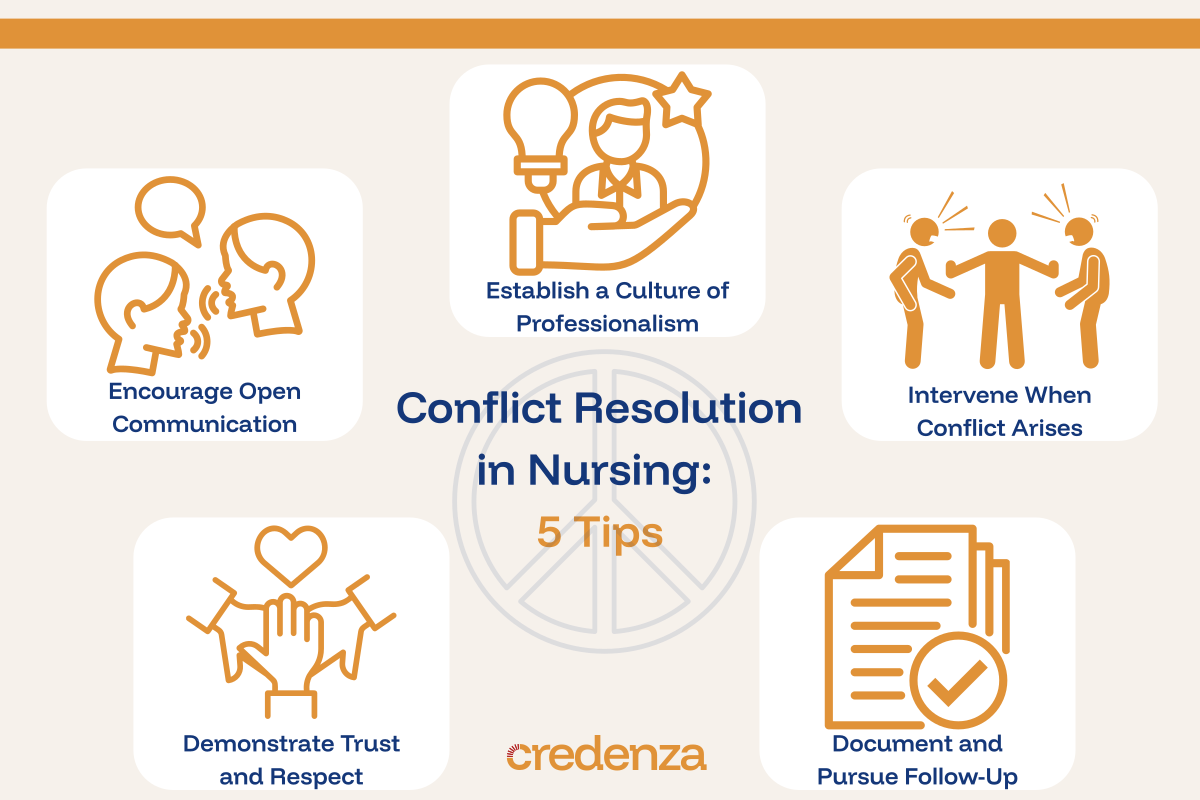
1. Establish a Culture of Professionalism
The first step to tackling conflict is to address it before it begins. This means creating a unit culture of zero tolerance for disrespect and unprofessional behaviors, from the overt — like physical violence — to the less obvious, such as gossip and negativity.
Remember that conflict management for nurses relates to relationships with superiors, nurse peers, and patients. Creating an atmosphere of professionalism in the workplace can set a foundation for productive communication across the board. This is why conflict resolution training for nurses often includes ways to foster respect and psychological safety in the workplace. For example, a physician and nurse discussing a care plan may choose to do so more calmly to uphold the standard, or a patient might voice a complaint with less overt aggression.
Suggestions:
- Ensure workplace roles are transparent and clarify expected behaviors during new employee orientation, regular team meetings, and staff training and education.
- Stop gossip from initiating conflict in nursing staff by proactively addressing rumors with the responsible parties and during team meetings.
- Develop preceptor programs that reject bullying and intimidation tactics for orienting new nurses.
- Create training initiatives like de-escalation focused programs and conflict resolution courses to equip personnel with the skills to mitigate and resolve problems.
- Utilize risk-assessment tools and standardized action plans to ensure workplace safety for nurses while delivering care.
2. Encourage Open Communication
Communication sets the foundation for conflict resolution in nursing. Good communication improves patient outcomes and benefits nursing morale. Consistent and clear communication isn't just a tool for mediating conflict; it can prevent the misunderstandings and frustrations that often lead to dysfunctional conflict in the first place.
Emotional intelligence (EI) is a key component of team dynamics, and is expressed through verbal and nonverbal communication (body language). Open communication that is based on self-awareness and emotional regulation promotes conflict resolution. Healthcare workers who have developed strong communication skills and high EI are much less likely to engage in disruptive or unproductive arguments.
Suggestions:
- Implement an open door policy and insist other nurse leaders do the same so that leadership is the first to know about any problems.
- Commit to daily leadership rounding and frequent debriefs to facilitate communication and encourage supervisory awareness of on-the-floor issues.
- Utilize regular team meetings to encourage staff to vocalize their frustrations before they snowball into open conflict. Offer multiple time slots to improve engagement for nurses with varied shift schedules.
- Express appreciation whenever nurses vocalize a problem to encourage authenticity and reduce fear of reprisal. Whether the problem is with scheduling or an interpersonal conflict, thank the nurse for trusting management with the concern.
- Provide nursing staff with a space to engage in emotional regulation techniques for conflict management. For nurses in a hospital setting, this might look like a quiet breakroom or designated serenity room.
- Provide conflict resolution training for nurses that focuses on communication, such as directions for using the DESC script.
3. Intervene When Conflict Arises
This is the most obvious aspect of nursing conflict resolution, yet it's often one of the hardest to initiate. Conflict is uncomfortable, and confronting tension is never easy. Regardless, addressing the issue in a direct, timely fashion decreases the risk of the problem escalating and potentially impeding the delivery of safe, effective care.
Suggestions:
- Address conflicts immediately, allowing for a cooling off period if tensions are too high for productive conversation.
- Establish a point of contact for each shift (like a charge nurse or nurse manager during regular hours) who has been trained on effective communication strategies and has access to predetermined ground rules for guiding mediation.
- Designate a quiet, neutral space (such as a meeting room) that is separate from the care environment when possible, to utilize for resolution efforts.
- Ensure crucial conversations happen face-to-face or using video technology when in-person communication isn't available. Avoid email and messaging services when addressing conflict.
4. Demonstrate Trust and Respect
Nurses want to know that leadership is on their side, and this is especially true during confrontation. By creating a baseline culture where team members feel valued and trusted, they're more open to participating in the conflict resolution framework because there is a precedent of respect for their role and opinions.
Suggestions:
- Build rapport by engaging employees and getting to know them on a personal level.
- Contribute to nursing trust and sense of belonging by routinely celebrating nurses for their achievements (attaining specialty certifications or winning awards, for example) and recognize hard work during shift huddles or team meetings.
- Incorporate the use of active listening during conflict mediation and other therapeutic communication techniques to ensure that people feel heard.
- Allow everyone engaged in the conflict the chance to speak, using redirection instead of cessation techniques if the conversation becomes unproductive.
5. Document and Pursue Follow-Up
Every conflict presents an opportunity for team and institutional growth. Documentation and continued follow-up of each occurrence can help identify the stressors that led to conflict and evolve current strategies for conflict resolution in nursing.
Suggestions
- Take notes during all conflict mediations and centralize data on workplace conflict for continued reference.
- Analyze conflict data, track trends, and address patterns.
- Debrief the concerned parties in the conflict after a standardized amount of time to ensure that resolution has been fully realized.
- Highlight resources — including mental health services, mindfulness courses, EI training, and others — that may further assist individuals in the resolution process.
Interested in Other Ways to Strengthen Your Team Culture?
Conflict resolution in nursing frameworks is one of the many ways to strengthen organizational culture. Credenza can help you grow your teamwork toolkit with continuously updated healthcare best practice recommendations and guides.