


False documentation in healthcare refers to any omissions, inaccuracies, or falsified information in a patient's medical record. This commonly occurs when staff make charting errors during a busy shift or due to fatigue. In rarer cases, records may be purposely manipulated for personal or financial gain.
Regardless of the cause, false charting can lead to serious repercussions for both staff and patients. To protect patient safety and prevent fraud, it's important that facility leaders implement strong documentation practices. In this article, we'll outline five ways your facility can minimize documentation errors and ensure compliance among your staff.
What Are the Different Types of False Documentation?
Medical record falsification occurs in many different forms, ranging from minor transcription mistakes to deliberate fraud. Here are some of the most common types of false documentation in healthcare and how they can occur.
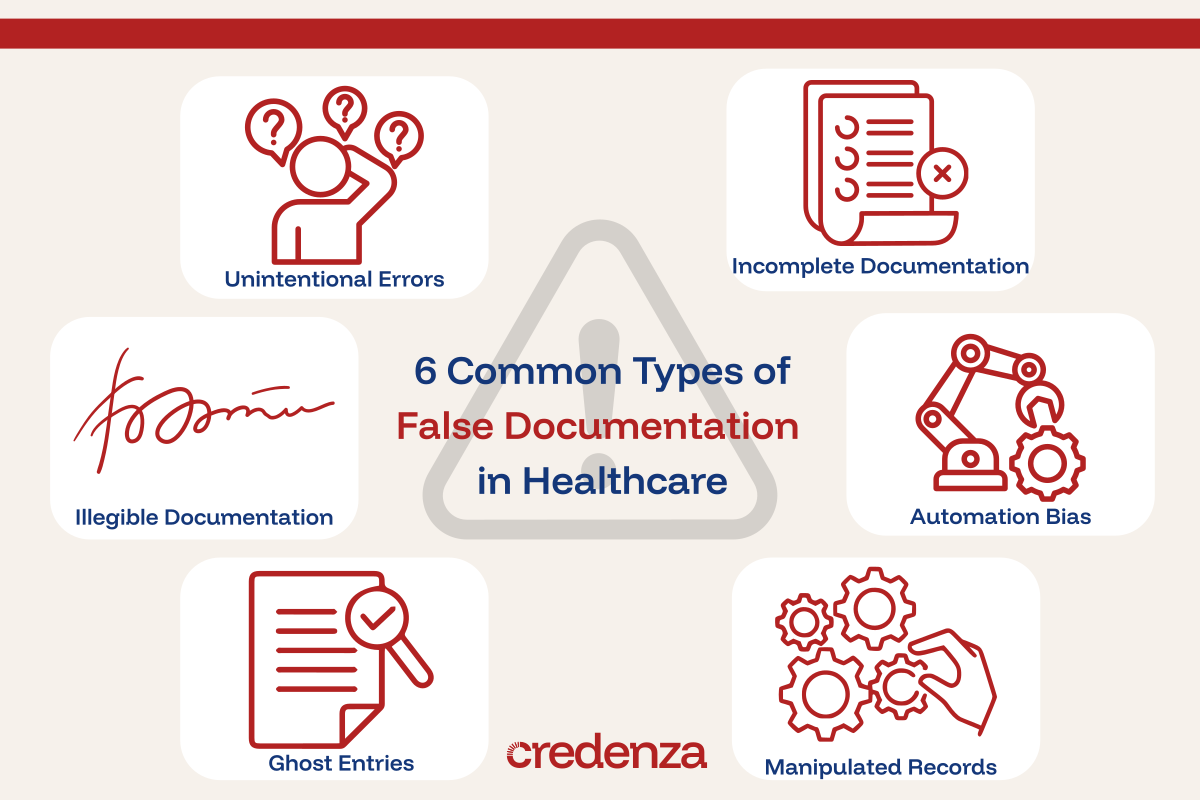
Unintentional Errors
Patient records may have inaccuracies due to human error. Staff can make mistakes when transcribing information, or they may accidentally copy and paste outdated records. When these errors are left unverified, they can negatively impact patient care.
Incomplete Documentation
Staff may forget to record vital information when their workloads get heavy, leading to omissions or incomplete documentation. This can result in a task being done twice or gaps in a patient's medical history.
Illegible Documentation
When facilities use paper-based records, there's a risk of staff coming across illegible handwriting. If staff are having trouble reading notes, they may misinterpret information or assume that key information has gone undocumented.
Automation Bias
Automated charting tools (like ambient artificial intelligence) must be double checked and monitored for accuracy and thoroughness. Automation bias occurs when clinicians over-rely on automated services, skipping crucial oversight and monitoring measures. This risks faulty transcriptions and misrepresented data.
Ghost Entries
Ghost entries are records that document care or procedures that were never actually performed. Sometimes, this happens by mistake (e.g., staff documenting a task twice). Other times, it can be done deliberately if staff are trying to cover up gaps in care.
Manipulated Records
In rare cases, staff may be caught intentionally altering, destroying, or falsifying medical records for their own gain. This can occur when a staff member tries to hide their mistakes, justify unnecessary procedures, or attempt to overbill patients and insurance carriers.
What Is the Penalty for Falsifying Medical Records?
The consequences of poor documentation in healthcare can be serious. Even if it's unintentional, false charting can alter the course of care, increasing the risk of improper treatment and misdiagnoses. This can significantly harm patients and have lasting effects on a facility's reputation.
Legally, the staff responsible for false documentation in healthcare can also face financial penalties and imprisonment for any harm incurred by patients. They may even be terminated from their positions or get their licenses revoked altogether.
5 Best Practices for Avoiding False Documentation in Healthcare
Given the legal implications of false documentation in nursing and healthcare, it's important for facilities to proactively prevent errors and foster integrity among staff. Here are five best practices to help you optimize your documentation systems and workflow.
1. Standardize Your Documentation Systems
Implementing standard documentation formats can help reduce unintentional errors and inconsistencies. Rather than having staff record information in free text boxes, consider utilizing structured forms or checklists that enable staff to efficiently record essential information.
For example, utilizing a discharge planning checklist can help ensure that all necessary education is recorded for each patient. This enables nurses to easily mark off each task and make sure that no crucial information is overlooked during the process.
2. Regularly Train Staff on Documentation Guidelines and Ethics
Every unit has its own unique workflow when it comes to documentation. It's important to regularly train your staff so that they understand and align with your facility's specific practices. Studies have shown that even simple educational outlining documentation tips for physicians can reduce the risk of errors and improve patient outcomes.
However, you should also keep your staff informed of any federal documentation requirements that apply to your facility. Here are some key guidelines and resources that you can refer to:
- JCAHO Nursing Documentation Standards
- CMS Documentation Matters Toolkit
- CMS Documentation Compliance Guidelines
3. Utilize Technology to Enhance Documentation Practices
Many facilities now use electronic health records (EHRs) to maintain accurate medical records and streamline charting workflows. While EHRs reduce risks associated with illegible handwriting, their true value lies in their potential for optimization. Features such as charting guardrails and real-time workflows can be tailored to the needs of particular facilities (or units) while standardizing documentation practices among those teams, reducing variability and the risk for error.
For example, when a nurse documents a patient assessment finding that’s outside of normal parameters, the EHR can automatically flag the associated body system within the charting and trigger a cascade of additional charting requirements. This helps ensure the data entry is comprehensive and clinically appropriate. They can also mitigate risky charting practices. Instead of simply enabling copy-and-past documentation, the system can be programmed to alert clinicians anytime data is duplicated, forcing an extra verification step to ensure the copied information is up-to-date and accurate.
4. Take Measures to Reduce Documentation Burden
When staff are tasked with complex documentation on top of heavy workloads, they may experience burnout that leads to more errors. You can reduce this burden by focusing on what matters most when streamlining your unit's documentation practices.
For many organizations today, this means integrating emerging technologies to offset low-value tasks. However, it’s important that workflow automation doesn’t come at the cost of high-quality documentation or accuracy. Similar to the integration of point-of-care technologies with the EHR (like a glucometer that automatically uploads a blood sugar to the patient’s chart), technology-driven documentation requires human oversight.
5. Foster a Culture of Accountability
All healthcare providers are trained to be honest in their documentation. However, mistakes can still happen — even with the best intentions. It's important to foster a culture where staff feel comfortable taking accountability in these moments and reporting errors as soon as possible.
Implementing a non-punitive reporting system encourages staff to notify the team about mistakes in a timely manner. In the rare event that your staff are suspicious of intentional fraud, they should also know how to report falsified medical records. For these situations, your unit should have a clear plan for escalating reports to the Office of Inspector General. This ensures that the issue is handled properly while fostering accountability across the greater healthcare community.
Learn More Ways to Maintain Compliance
False documentation in healthcare is one of many ways that noncompliance can impact your facility and patients. Want to stay ahead of other regulatory requirements? Get the latest healthcare management news and insights from our team of clinical and legal experts.