


Developing a reliable healthcare supply chain — the network of manufacturers, suppliers, and transporters that produce and distribute products to your facility — ensures these items are delivered when and where they're needed. This logistical necessity often falls within the responsibilities of facility administrators and is essential to smooth clinical operations.
So whether you're ordering surgical equipment, medicines, or cleaning products, you'll need a robust materials management strategy to ensure you’re well-equipped to provide safe, high-quality patient care. In this guide, we’ll provide an overview of the supply chain for healthcare practices, examples to show how they’re used, and tips to keep your facility's logistics running smoothly.
What Is the Healthcare Supply Chain’s Primary Purpose?
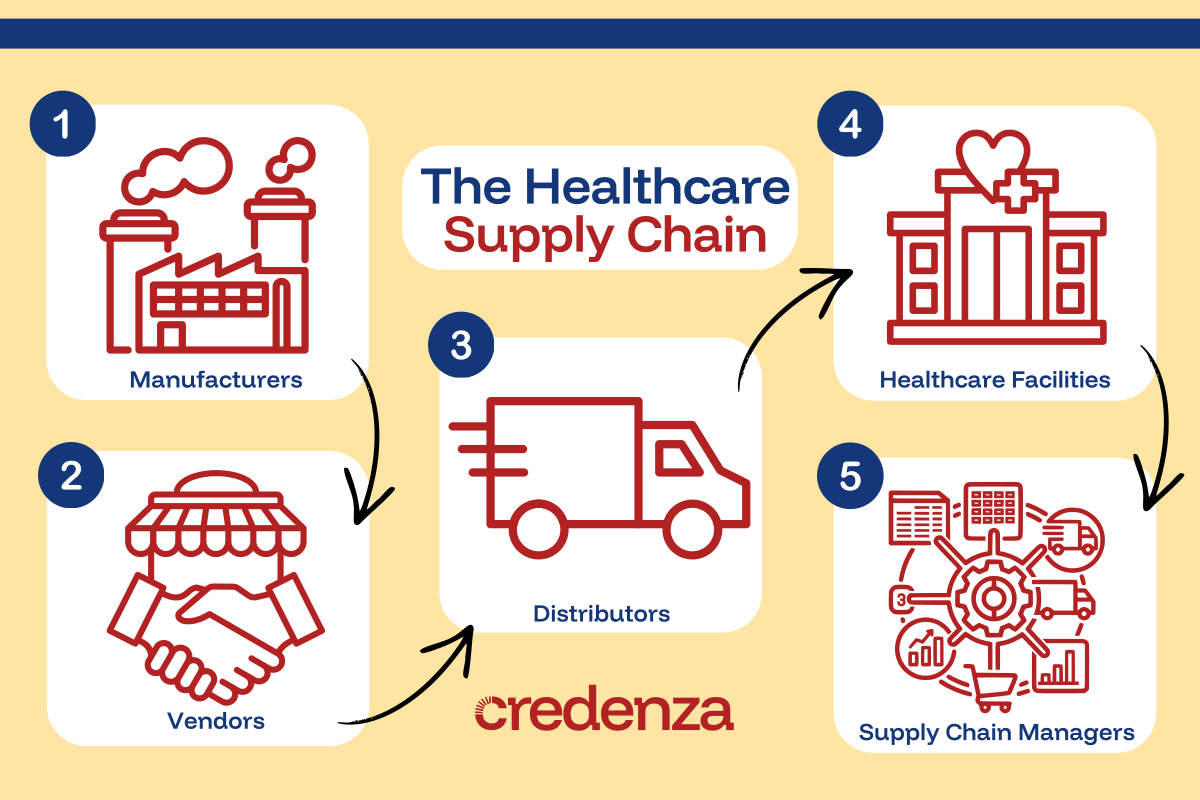
The healthcare supply chain ensures that a facility can procure and distribute all the materials required for comprehensive patient care. Due to the diversity of supplies often needed (from food to surgical instruments), it typically involves a network of companies that work together. This helps guarantee that goods and materials are produced and delivered in an efficient and timely manner. In the healthcare industry, supply chains include:
- Manufacturers that create healthcare products.
- Vendors and retailers that sell healthcare products to facilities.
- Distributors that transport and deliver the products.
- Consumers (healthcare facilities) that buy and use the products.
- Supply chain management companies that keep operations running smoothly.
What Is Supply Chain Management in Healthcare?
Healthcare companies need to conduct research and provide oversight of their supply chain performance to ensure they get the goods they need in the most timely and cost-effective way. That's where supply chain management companies come in. These third-party entities work to prevent interruptions in supply chain operations and reduce unnecessary costs. They do this by:
- Keeping track of a facility's inventory.
- Sourcing the necessary goods, products, and materials.
- Coordinating and managing production and distribution efforts.
- Identifying factors that could place a supply chain at risk.
- Developing a product delivery schedule that works for all parties.
When healthcare supply chain management is executed properly, organizations can feel comfortable knowing that the goods they source will be transported and distributed in the most efficient way possible.
Why Is Supply Chain Management Important?
In healthcare, timing is everything. Without proper supply chain management, organizations wouldn't be able to adequately deliver the goods and services that patients require. It can be challenging for administrators to manage their facility's supply chains because they have so many moving parts. Unfortunately, if one of these moving parts experiences a problem or issue, it can affect other parties further along in the chain.
The challenge of reliable product procurement isn’t limited to one-off mistakes (like a missing delivery). It’s a systemwide challenge with a wide range of stressors that contribute to interruptions within the healthcare supply chain. Examples include:
- Macroeconomic factors resulting in rising product prices and other financial burdens.
- Inconsistent production caused by raw material shortages.
- Disruption in transportation routes caused by natural disasters.
- Pandemics or seasonal changes affecting the demand for certain goods.
- Regulatory changes impacting which healthcare products are needed.
- Staffing shortages disrupting one or more stages of the supply chain.
To understand what this can look like in practice, imagine the following scenario: A healthcare organization orders surgical gloves. The supply chain manager receives word from the manufacturer that glove production will be halted due to electrical problems in the factory. The factory that produces the brand of gloves ordered by the hospital also produces gloves for all of the other major vendors, which makes it difficult for the hospital to source a new supply.
The hospital has to decrease its hours of operation because it doesn't have enough gloves to provide safe care. The hospital turns patients away from the facility and its reputation is negatively affected.
What Are Ways a Facility Can Protect its Supply Chain?
Situations like the one mentioned above often occur unexpectedly. However, there are safeguards healthcare supply chain companies can put in place to limit the effect of these unforeseeable problems. Below, we’ll outline five ways organizations can mitigate their supply chain risks.
1. Diversify Healthcare Vendors and Suppliers
Healthcare leaders should source goods from a variety of manufacturers and vendors. This can prevent dependence upon a single source.
Example:
A hospital contracts with a single international supplier for face masks. With rising product and shipping costs, administrators search for domestic vendors to decrease their reliance on a single source. They maintain their international supply partnership, still benefitting from regular (but smaller) shipments to ensure there’s always personal protective equipment (PPE) for their staff.
2. Develop a Strong Clinical Inventory Management Strategy
Storage considerations, automatic inventory threshold alerts, demand forecasting, and cost management are all part of a well-developed supply chain strategy in healthcare. Considerations should cross the logistical space, integrating the priorities of clinical and operational teams to ensure procurement protocols meet systemwide needs.
Example:
An administrator leverages technology, using artificial intelligence to create supply requirement projections. This forecasting helps optimize the supply buying process, increasing the amount of PPE to accommodate seasonal medical surges during known seasonal events like the flu.
3. Create Contingency Plans for Critical Medical Supplies
This often starts with an adequate stockpile of goods, which ensures quick access to care-related materials. It’s an important buffer during temporary supply chain interruptions. To offset warehouse (or storage) burdens, develop flexible supply chain partnerships that allow for rapid mobilization of goods in the event of emergencies or other unforeseeable circumstances.
Example:
A skilled nursing facility (SNF) inventories the medications that are most critical to its patients’ wellbeing and creates a small pharmacy stockpile. This helps buffer patients against any supply chain disruptions. The SNF also partners with its sister hospital’s pharmacy as a backup option in case of prolonged procurement delays. This mutually benefits both facilities because care consistency decreases the risk of unnecessary hospitalizations.
4. Hire a Supply Chain Manager With Healthcare Experience
Partner with a supply chain expert to make certain that the manufacturers, transporters, and vendors you rely on are efficient and trustworthy. Managers with healthcare experience are especially valuable because they offer health system insights and already understand how the supply chain for healthcare varies from other industries.
Example:
A newly-established urgent care hires a supply chain manager with previous healthcare experience. This helps the facility quickly procure the necessary point-of-care supplies (like flu swabs ahead of the cold and flu season) because the manager already has established relationships with many of the healthcare supply vendors.
5. Streamline Communication Across the Health System
Create clear communication channels across the organization to connect administrative, operational, and clinical functions. This helps guarantee that all intersystem parties have the most accurate and up-to-date details on the status of the production and distribution schedule.
Example:
An intensive care unit manager shares their supply dashboard with logistical staff, offering them near real-time updates on demand and stocking levels. They further enhance this system by creating automatic threshold alerts that send direct messages to supply chain managers. This helps inform restocking so that staff are never forced to leave the unit for critical materials mid-care delivery.
Discover More Ways to Deliver High-Quality Care
Healthcare supply chain management is essential to keeping your facility's operations running smoothly. Looking for more ways to optimize? Consult our wide range of healthcare insights, guides, and resources, designed by clinical and legal experts to help you overcome today's toughest challenges.