

Hospital aftercare encompasses the recovery process that continues after discharge from acute care. Whether transitioning to post-acute after-hospital care services or returning home, nearly 20% of post-hospitalized patients experience adverse events within 3 weeks of discharge. These negative outcomes affect patient wellbeing while contributing to costly readmissions, which are expected to carry steeper penalties for many facilities in the coming year.
In this guide, we’ll explore some of the key vulnerabilities facing any patient discharged from hospital care. With a deeper understanding of these risks, you’ll be better positioned to strengthen your discharge planning, support safer care transition strategies, and reduce the likelihood of those costly readmissions.
Who’s Responsible for After-Hospital Care?
Traditional acute care models have historically defined the hospital providers’ responsibilities as beginning at admission and ending at discharge. Yet, the shift toward value-based care (VBC) is expanding that accountability. Programs like the TEAM payment model from the Centers for Medicare and Medicaid Services (CMS) hold participating acute care providers responsible for patient outcomes even after discharge.
As reimbursement requirements continue to evolve, hospital systems are becoming increasingly responsible for patients' post-discharge outcomes. This growing responsibility is evidenced directly through episode-based payment models (like TEAM) or indirectly (through the reduced reimbursement of an avoidable, 30-day readmission, for example).
Responsibility isn’t exclusively maintained by the original acute care providers, though. It’s also shared by the receiving service or caregivers. These are defined by which of the many types of discharge from hospital settings occurred, with destinations including:
- Skilled nursing facilities (SNFs).
- Assisted living facilities (ALFs) or residential-based care.
- Rehabilitation centers.
- Home health care services.
- At-home, with self-management by the patient or caregivers.
Hospital Aftercare: Where’s the Risk?
The transient period immediately following discharge carries enough risk that many use the term post-hospital syndrome to define the urgent need for comprehensive aftercare. Hospital care is commonly associated with stressors like interrupted sleep, altered diet, and physical deconditioning. These complicate the recovery process, often leaving a patient vulnerable even after the original illness has been treated.
Studies have shown that factors like sleep deprivation can cause impaired cognitive function, disrupt the immune system, and adversely affect metabolism. Combined with other physiological stressors, these effects can increase the recovery timeline and contribute to complications that may lead to readmissions or negative health outcomes after discharge.
Primary Concerns for Patients Amid Hospital Aftercare
Post-hospital syndrome can affect patients regardless of their discharge destination or post-acute setting for aftercare. Hospital stressors may leave patients vulnerable during this critical recovery period and contribute to many of the challenges they face after discharging.
Below, we’ll highlight some of the key risks facing patients during this difficult recovery period to help you mitigate them before they compromise your post-discharge patient outcomes.
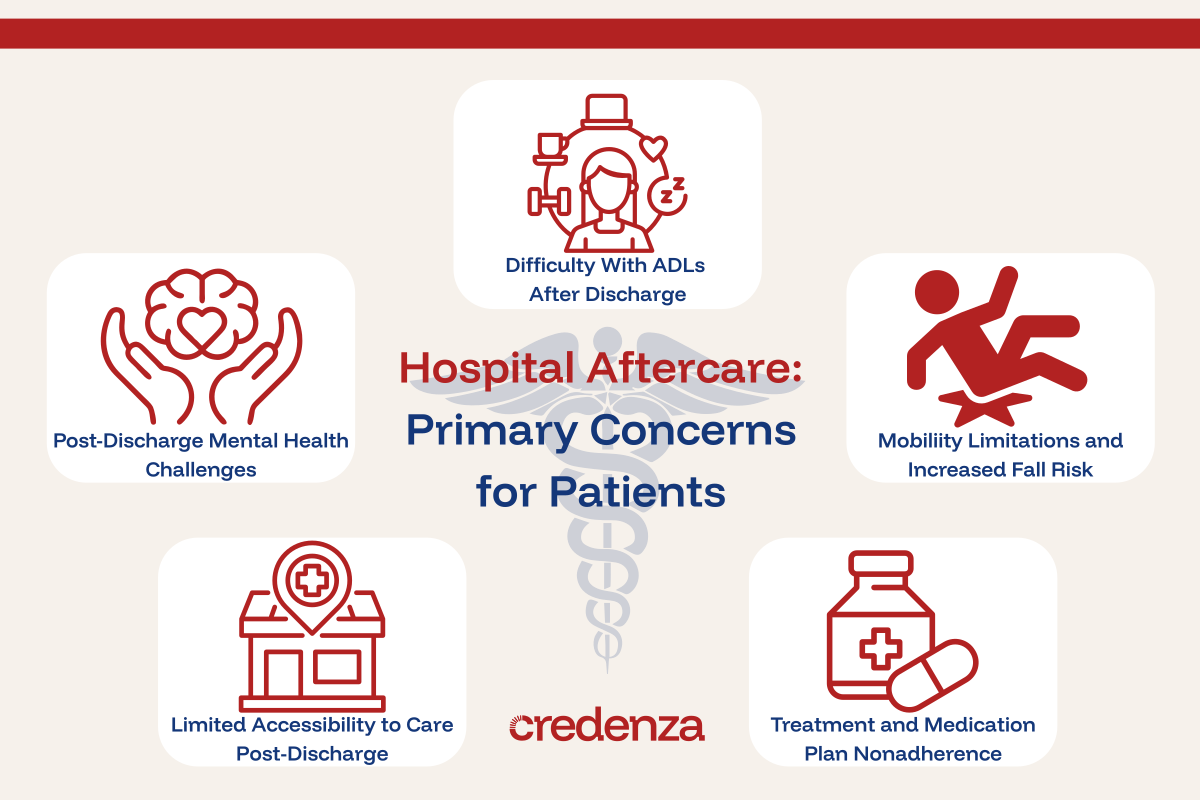
1. Difficulty Performing Activities of Daily Living After Discharge
Amid hospitalization, patients often receive significant assistance with meals, grooming, toileting, dressing, and other activities of daily living (ADLs). Yet, after discharge, these routine tasks can become much more challenging. For example, a patient who was admitted for a lower leg abscess may struggle to put on clothing, a difficulty that wouldn’t have been apparent while wearing a hospital gown.
Functional limitations following hospitalization are common. Among patients who were hospitalized following a cardiac arrest, 89% reported a decreased ability to perform the necessary aftercare ADLs and 39% demonstrated functional impairments that fell outside age-adjusted norms. Planning practical interventions, like arranging for a meal delivery service, can help patients avoid ADL-related adverse outcomes (such as delayed wound healing due to malnourishment).
2. Mobility Limitations and Increased Risk for Aftercare Falls
Fall-related injuries among recently discharged patients have been shown to be a leading readmission diagnosis. Although older adults and individuals with cognitive impairment are at particularly high risk, mobility-related complications can affect patients across age groups, diagnoses, and discharge settings.
Research has shown that the weeks immediately following hospitalization represent a particularly vulnerable period for falls, even for patients receiving structured post-acute care. In a study of post-hospitalized rehabilitation facility patients, 60% of the falls that occurred within 30 days of transfer were serious enough to cause an associated injury. This demonstrates the urgent need for proactive hospital aftercare fall prevention, no matter the discharge destination.
3. Discharge Treatment Plan and Medication Nonadherence
Noncompliance carries significant costs across the healthcare landscape, culminating in nearly $11 million per year in lost revenue. However, it’s usually not a simple matter of willful nonparticipation. Hospitalization often results in changes to long-standing medication regimens and may introduce new therapies and self-management responsibilities. Patients experiencing cognitive impairment, stress, low health literacy, or other engagement barriers may have difficulty adapting to these changes.
Because positive clinical outcomes depend on effective therapeutic engagement, it’s important that patients are given all the necessary resources to manage updated treatment plans. Pre-discharge strategies like comprehensive medication reconciliations, patient education, and clear, manageable follow-up provisions can help improve adherence while reducing the risk of post-hospitalization complications.
4. Limited Accessibility of Post-Discharge Follow-Up Care
Timely follow-up care after hospitalization is widely recognized as an important safety measure and readmission risk mitigation strategy. However, many patients face barriers to accessing outpatient services during the aftercare recovery period. Challenges including transportation limitations, pharmacy access, provider shortages, and scheduling delays can make it difficult to access post-discharge medications, follow-up appointments, and ongoing monitoring requirements.
These barriers aren’t limited to patients discharged home for self-managed care, either. In fact, research has shown that patients discharged to SNFs are even less likely than home-bound patients to receive timely primary care services following a hospital discharge. Combined with the persistent access challenges for the 60-million Americans living in rural communities, these gaps highlight the need for comprehensive care coordination when transitioning from inpatient care.
5. Mental Health Challenges After Hospitalization
The stress and possible anxiety associated with hospitalization can have lasting psychological effects. In one study, nearly 40% of patients who were admitted for a medical emergency were found to have symptoms of post-traumatic stress disorder, anxiety, or depression two months after discharge. These mental health concerns often go unrecognized within aftercare planning considerations.
Patients hospitalized for behavioral health crises are particularly vulnerable during after-hospital care recoveries. Studies reflect that their risk for suicide becomes 300 times higher than the general population’s within the first week of discharge. Effective discharge planning must incorporate seamless care transitions so that aftercare patients receive timely mental health support and the continuity of care needed to ensure positive outcomes and effective recoveries.
Don’t Navigate Industry-Wide Healthcare Changes Alone
From hospital aftercare risk mitigation to the latest regulatory developments, we’re here to help. Strengthen your healthcare strategies through our library of continuously updated facility guides and management resources, designed to support leaders like you.