


Root cause analysis (RCA) is a structured process that healthcare facilities use to investigate adverse events. It’s designed to uncover systemic flaws within a healthcare workflow and inform effective corrective measures. When an incident prompts a root cause analysis, nursing leaders and staff may be asked to participate in the process.
In these situations, nurse managers typically contribute leadership-level insights, while staff nurses may offer clinical expertise and in-depth knowledge of unit workflows. Sometimes, staff nurses are asked to participate in an RCA team due to direct involvement with the incident. Though the process isn’t designed to assign blame, it’s not uncommon for clinicians to experience fear around participation.
Below, we'll answer frequently asked questions about systemic analysis of errors, and provide some common root cause analysis examples in nursing. We'll also cover best practices for leaders, so that you can support your nursing staff and get the most out of these investigations. If documenting RCAs is one of your responsibilities, consider downloading our root cause analysis template.
What Is Root Care Analysis in Healthcare and Nursing?
Full understanding of your RCA nursing responsibilities is crucial for safeguarding patients and promoting a just culture among staff. Across healthcare settings, the RCA process is a series of steps used to examine incidents that resulted (or could have resulted) in undesired outcomes.
By implementing a framework — or, root cause analysis checklist-style approach — participants are better able to determine which factors contributed to a given incident, and then dig deeper to uncover the specific, underlying gaps that resulted in the faulty care delivery.
Events that warrant an RCA may come to your attention from different sources, including:
- Incident reports.
- Feedback from nursing staff.
- Feedback or complaints from patients or patient family members.
- Citations related to facility regulations.
- Near miss events which could have resulted in harm to the patient.
- Any event that causes patient harm or death.
The purpose of the RCA process is not to find individual nurses or healthcare providers at fault, but rather to determine systemic flaws that need to be addressed in order to protect patient, staff, and organizational wellbeing.
Root Cause Analysis: Nursing FAQ
As many nurses know, healthcare environments are complex. An incident that may seem simple and isolated, like delivering a milliliter too much of a medication on a single occasion, is actually connected to countless other contributing factors. By treating each instance of process failure as a systemic issue, safeguards can be strengthened (or implemented) through a root cause analysis. Medication error examples are one among many possible situations that may benefit from broader investigative efforts.
Considering entire systems is crucial for building a culture of safety in healthcare, but this work takes dedication and effort. Let's discuss some common questions about RCA in nursing, so that you can leverage this important process for improving the quality of care at your facility.
What is a root cause analysis in nursing?
Root cause analysis in nursing is a facilitated and interdisciplinary process for uncovering latent flaws in the system used to deliver patient care. By uncovering these flaws, the team involved in performing the RCA can identify areas for improvement and implement fixes. The goal is to prevent recurrence of the issue and, ultimately, improve patient safety and quality of care.
Are there agencies that oversee and regulate the RCA process?
There are several healthcare regulatory agencies that influence the reporting and systemic analysis of adverse events. Two prominent agencies that may be involved are The Joint Commission (TJC) and Centers for Medicare and Medicaid Services (CMS). State-level regulations and input from safety organizations may also apply. Facility leaders should know what oversight is in place and refer to those regulations to ensure that the required steps are followed.
Since the RCA process is a common way to perform a systemic analysis, regulations may impact how and when a facility performs an RCA. For example, facilities accredited by TJC are required to initiate an investigation within 72 hours of the occurrence of a sentinel event, and perform most steps in the analysis within 45 days.
Who conducts root cause analysis — nursing leaders, staff nurses, or other providers?
The RCA process is a team effort that is typically guided by a facilitator (who may be appointed by facility leadership). The specific structure of the team will depend on the regulations in place at a particular facility. The team may include leadership, such as nurse managers, as well as staff nurses who have in-depth knowledge of the clinical skills related to the event. Other multidisciplinary experts could also contribute. Once the team members are assembled, they work together to perform the analysis.
What is an RCA in nursing’s step-by-step process?
There are a number of different frameworks that can be used to guide the root cause analysis process. For example, TJC's Framework for Root Cause Analysis and Action Plan offers 24 questions that guide the investigation and corrective action processes after a sentinel event.
In addition, tools can be implemented to enhance the process. The Patient Equity Wheel, for example, is a visual tool and worksheet that helps teams consider health equity during each phase of analysis.
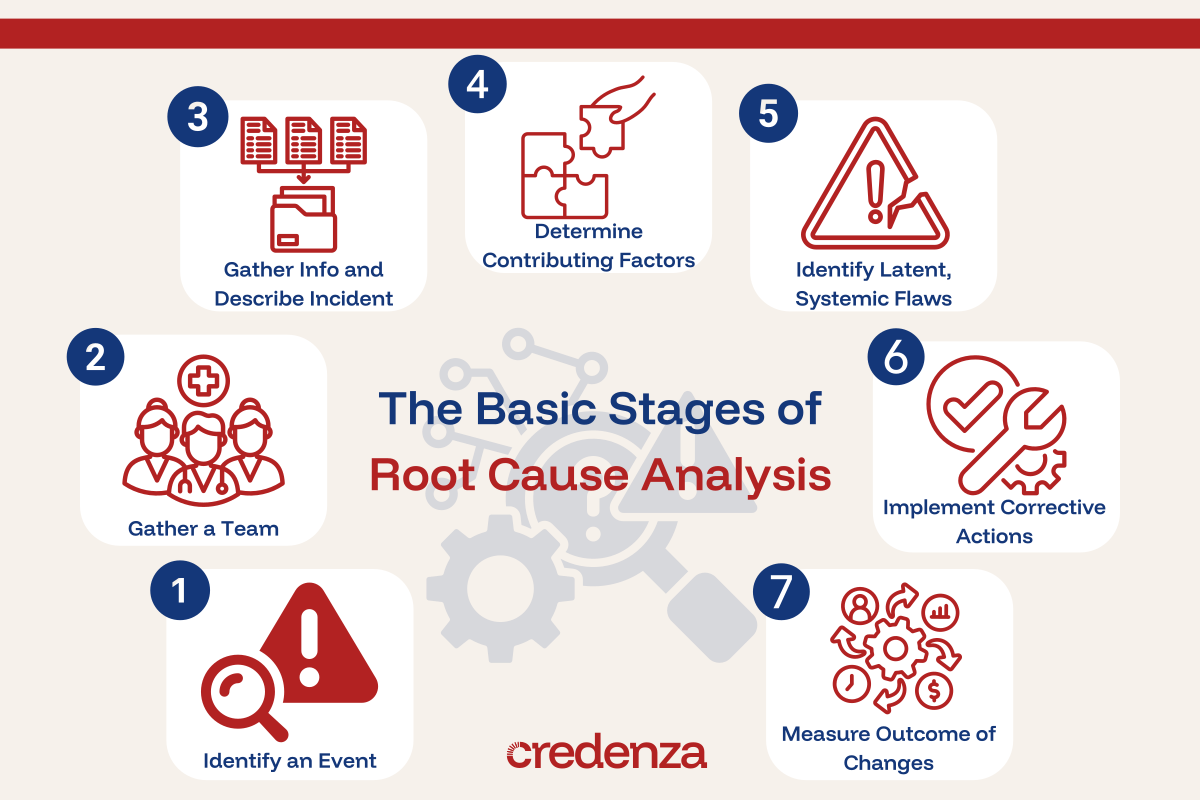
Though the specific steps of a RCA may vary according to the regulatory agencies involved and the tools used, the basic stages are:
- Identify an event.
- Gather a team.
- Gather information and describe the incident.
- Determine contributing factors.
- Identify latent, systemic flaws.
- Consider opportunities for improvement and implement corrective actions.
- Measure the outcome of implemented changes.
What are some nursing root cause analysis examples?
The process will depend on the complexity and severity of the incident that's being analyzed. It could occur over a few hours (for a minor incident) or many months (for severe incidents). Common events that can lead to an RCA are nurse handoff communication errors and patient falls. Here's a more detailed look at a handoff communication error and the nursing root cause analysis.
Example:
During handoff at a busy and crowded nurse station, a night shift nurse tells the day shift nurse that a patient's eight o'clock dose of heparin should be held. The day shift nurse doesn't hear the information correctly and makes a note on the wrong patient handoff report sheet. She holds a dose of heparin for the wrong patient while seeking formalized physician orders. The elapsed time results in a blood clot. The root cause analysis would investigate the environmental conditions of the nurses station, the policies in place for holding medications, and gaps or flaws in the nursing handoff procedure.
What is the importance of root cause analysis in healthcare, and in nursing in particular?
It is vital to examine nursing errors through a systemic lens in order to figure out changes that will create measurable improvements in patient care. Without an RCA framework, an incident (like a medication error) could get blamed on a single nurse — while the systemic flaw remains unaddressed, potentially leading to a repeat error. With a robust process in place for root cause analysis, nursing professionals and colleagues can evaluate the system in a structured, thorough way, and crucial weaknesses can be pinpointed and addressed.
Best Practices for Using Root Cause Analysis: Nursing Leadership Guide
A strong RCA process is about more than checking off boxes on a form. It will entail interdisciplinary collaboration and a commitment to improvement. Nurse managers play a vital role in the process, often serving as guides and bridging the gap between direct patient care and facility policies.
Let's take a look at how nurse leaders can work with staff nurses to best use RCA processes to improve patient care outcomes.
1. Prioritize Events That Result in Patient Harm or Death
Severe incidents, such as sentinel events, may mandate an investigation. In these cases, RCAs must be initiated swiftly. Paying prompt attention to these incidents also signals to staff, patients, and your community that your facility takes ownership of mistakes and is committed to finding solutions.
2. Don't Dismiss Near Miss and Close Call Events
With so much focus on mandated reporting of events that result in patient harm, incidents that don't result in harm can get overlooked by leadership. Though these incidents may not require the same intensity of attention from nursing leaders, they still need to be examined.
It's important to communicate the value of near misses to staff nurses. They may not recognize these incidents, or maybe they do recognize them but deem them unreportable. Encourage your nursing staff to report all errors that occur that have the potential to cause harm. These incidents represent valuable learning opportunities for your healthcare organizations. Taking them through the RCA process may help you prevent patient harm or death in the future.
3. Clearly Communicate the Purpose of the Analysis
Nurse managers may be put in the uncomfortable position of asking for input from all staff members who were present when an incident occurred. This can make staff nurses, CNAs, physical therapists, and other team members feel anxious, defensive, or even hostile — especially if the event was severe or highly emotionally charged. Nurse managers must communicate that the purpose of the RCA is not to assign blame, but rather examine the environment, workflows, and policies that influenced the incident.
Learn More Strategies to Help Safeguard Medical Procedures
Valuable information can come from an incident's root cause analysis. Nursing examples often highlight the willingness of leaders and clinicians to navigate difficult situations on behalf of patient safety, but they don’t have to shoulder the responsibility alone. We're here to offer support with healthcare resources and guides designed to strengthen care quality and organizational outcomes.